3D Printing Near Me – How to Choose a Local Partner
When you search for "3D printing near me" on Google, you're often overwhelmed by the number of options that appear. From small home-based setups to fully equipped manufacturing facilities, the local 3D printing landscape offers a wide range of choices. But finding a nearby service provider isn’t just about convenience—the right local partner can make the difference between a frustrating experience and a smooth journey from concept to finished product.
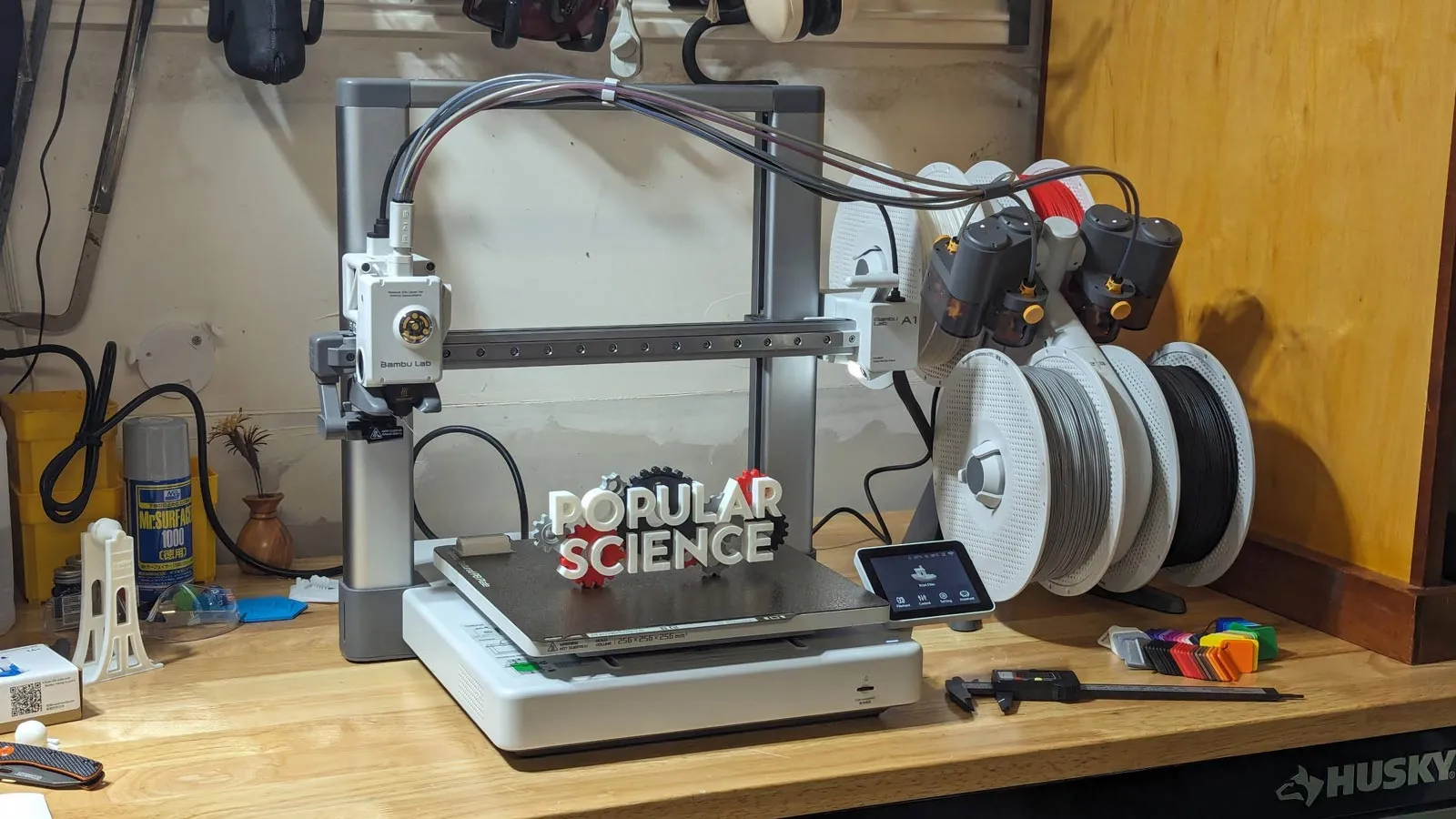
Choosing a local 3D printing partner comes with distinct advantages over online-only services. You can visit their facility, examine sample prints firsthand, discuss your project in person, and often enjoy faster turnaround times. However, proximity alone shouldn’t be your only consideration. This guide will help you navigate the process so you can choose a local 3D printing partner who meets your quality, budget, and timeline needs.
Why Choosing Local Matters
Working with a nearby 3D printing service provides benefits that distant providers simply can’t match. In-person consultations make communication clearer, reducing misunderstandings and costly reprints.
You also get immediate access to your printed parts—no waiting for shipping or dealing with damaged items in transit. You can inspect quality on the spot before finalizing payment, and if adjustments are needed, iterations can happen quickly.
Building a local relationship also opens the door to ongoing support, priority service, and valuable industry connections. Many local providers become trusted long-term partners who understand your goals and can recommend design or material improvements.
Essential Criteria for Evaluating Local Providers
When comparing local 3D printing services, consider the following key factors:
Technology and Equipment
Different printing technologies suit different applications. During your visit, evaluate the provider’s equipment firsthand. A clean, well-maintained facility with multiple technologies indicates professionalism and technical capability.
Ask about:
- Machine types and capabilities
- Age and maintenance schedules
- Whether they upgrade equipment regularly
A company investing in modern technology is more likely to deliver consistent, high-quality results.
Material Selection
A reliable provider should offer a diverse range of materials, such as:
- Standard plastics: PLA, ABS, PETG
- Engineering-grade options: Nylon, PC, carbon fiber composites
- Specialty filaments: Flexible, wood-filled, metal-filled
- Resins: High-detail materials for precision work
Limited material options may signal a hobby-level service rather than a professional one.
Portfolio and Experience
Review their past work carefully. A strong portfolio should include projects of varying sizes, complexities, and industries.
Ask whether they have:
- Experience with projects similar to yours
- Handled technical challenges you may face
- Realistic timelines and accurate cost estimates
Experience plays a major role in avoiding design issues and ensuring efficient production.
Questions to Ask During Your Visit
Prepare thoughtful questions to evaluate providers effectively:
- Turnaround time: What is the typical time required for projects like yours? Do they offer rush services?
- Quality control: How do they ensure consistency? What happens if a print fails or doesn’t meet your requirements?
- Design support: Can they review your files? Do they offer optimization or redesign services?
- Pricing structure: Are quotes itemized? Are there setup fees, minimum orders, or factors that affect cost?
Clear answers indicate transparency and professionalism.
Red Flags to Watch For
Be cautious if you notice:
- Poor communication or slow responses
- Unwillingness to show their facility or equipment
- Lack of sample prints or portfolio
- Vague explanations of capabilities
- Pressure to commit immediately
- No clear policies for revisions, reprints, or disputes
These issues often lead to larger problems during production.
Making Your Final Decision
After gathering information, evaluate each provider using a comparison chart. Consider factors such as:
- Equipment quality
- Material options
- Pricing transparency
- Communication style
- Convenience of location
- Turnaround flexibility
- Technical expertise
- Overall professionalism
Don’t choose based on price alone. A slightly higher cost may bring far better reliability and quality.
Consider starting with a small test project to assess their work and communication before committing to long-term partnerships.
Trust your instincts—if something feels off, explore other options.
Conclusion
Searching for “3D printing near me” is only the first step. The real success comes from choosing a partner who combines proximity with professionalism, technical capability, and reliable communication.
Take the time to visit facilities, ask meaningful questions, examine portfolios, and confirm policies. The effort you invest upfront will pay off through stronger results, smoother collaboration, and a long-term partnership you can rely on.
Your ideal local 3D printing partner is out there—these guidelines will help you identify them confidently.
Frequently Asked Questions
Q: How do I find reputable 3D printing services near me?
A: Start with Google, but also check local maker spaces, universities, and industry forums. Read reviews, ask for referrals, and always visit facilities in person.
Q: Should I choose the closest provider or the best quality?
A: Aim for a balance. A small extra drive is worth it for better quality or expertise. If quality is similar, then proximity becomes an advantage.
Q: Can small local providers handle professional projects?
A: Yes. Many small, experienced operators deliver excellent results. Evaluate them based on portfolio, equipment, and expertise—not size alone.
Q: What should I bring to my first consultation?
A: Bring design files, sketches or references, measurements, and a clear explanation of your project goals. Prepare questions about their capabilities, pricing, and processes.


Comments
Post a Comment